
Snack-Around-the-Clock with ‘Kakanin’
The eats are endless—pandesal at the corner store; ubiquitous street food; dishes at the carinderia (food stall) version of the buffet; office or school cafeteria fare with the usual ulam side by side with junk food; all tastes (and budgets) at dine-in restaurants; and dishes at mall food courts that have introduced many Pinoys to international cuisine.
But let’s go back to the basics. As sophisticated as the Pinoy palate has become, we always find comfort in the food that we grew up with. And nothing satisfies more than rice. Filipino rice culture is rich, diverse, and never disappoints. It comes alive in the kakanin (snacks)—simple yet satisfying, transforming ordinary ingredients into scrumptious edibles fit to eat any time of the day.
The Tasting Table counts as many as 15 kinds of kakanin, with some provinces having their own versions of certain rice cakes. Generally, though, they share two main ingredients: sticky rice and coconut milk.
Suman is made from glutinous rice and coconut milk, traditionally steamed and wrapped in either buri palm leaves or plain banana leaves. It is eaten with sweet condiments such as brown sugar, latik (toasted coconut milk curds), caramel, or even chocolate sauce. Eating suman with ripe mangoes is pure delight.
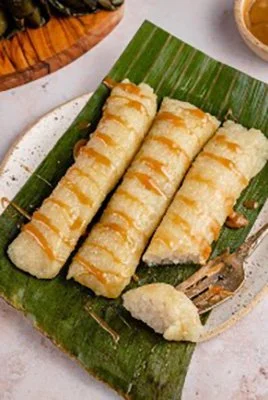
Suman (Source: Pinterest)
For culinary historian Ige Ramos, the Philippines’ national dish should be suman. “It transcends the boundaries of ethnicity, religion, and class. Suman can be cosmopolitan or it can be rural. It can be eaten alone or as a celebratory dish in a fiesta.”
It has evolved into deliciously diverse, mouthwatering variations from every region—a sweet reason to experience the country. Sampling the different kakanin takes us on a toothsome tour.
We start in Antipolo and the ever-popular suman sa ibus—glutinous rice mixed with salt and coconut milk, wrapped in young palm leaves called ibus, and steamed. It is usually served with a mixture of shredded coconut and sugar, or latik. A close relative is the suman sa lihiya or suman bulagta in Pampanga. The Visayan version has a different kind of latik—syrupy, caramelized coconut cream.
Suman is an irresistible snack most of us grew up with, even as it takes different forms in different places. Samar is known for its native suman moron. It is wrapped in banana or anahaw leaves and made with real cacao—and if that’s not available, store-bought chocolate.
Carigara in Leyte prides itself on tinipa or “opposites,” referring to the combination of white and red suman mix. The unique flavor comes from combining white glutinous rice—flavored with salt and ginger—with red rice sweetened with brown sugar. The Carigara Heritage Society has launched a Suman Festival to ensure that the art, recipes, and folklore tied to suman survive.
The traditional sumang malagkit is usually boiled, but the restaurant Sentro 1771 takes it to the next level by frying it and serving it with a slice of fresh mango. A genius pairing!
Kalamay is another favored sticky sweet enjoyed nationwide. It is made of coconut milk, brown sugar, and ground glutinous rice. Like suman, it has traveled to every region of the country, always coming out yummy. In Antipolo, kalamay is a dense, chewy rice cake sold in banana-leaf disks, topped with coconut curds. The sticky brown slices also appear in Bulacan, wrapped in banana leaves—a fixture in town fiestas.
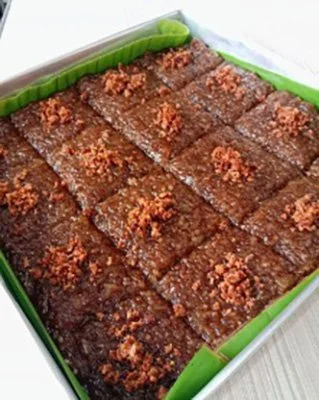
Kalamay (Source: Pinterest)
Cavite’s Indang town offers kalamay buna, a sticky blend of the familiar glutinous rice, coconut milk, and panutsa(shavings of unrefined sugar loaf). Not to be outdone is Mindoro, with its own version of kalamay, rich with coconut and a whisper of peanut butter and vanilla.
The most unique—and tastiest—kalamay comes from Bohol. Thick and gummy, it is traditionally poured into halved coconut shells, then sealed with red papel de japon (Japanese paper).
Kalamay in the Philippines is available almost everywhere, sold in markets, grocery stores, and on the street. It’s also a fixture in shops at seaports and airports, catering especially to domestic and foreign tourists.
Puto likewise appears in countless forms. It is made from galapong, slightly fermented rice dough, and steamed. The most common variety is putong puti, which perfectly complements dinuguan, a dish of pork cubes or innards stewed in pig’s blood. It is a most savored merienda fare in many parts of the country.
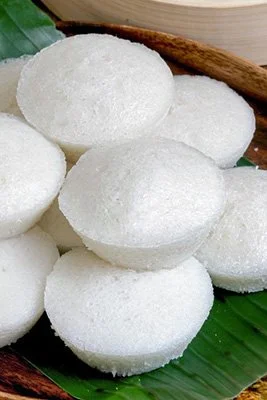
Putong Puti (Source: Pinterest)
The types of puto are as many as there are provinces. Puto Biñan is a big favorite. It is fluffy yet moist, usually made as big as a pizza and topped with a generous coating of grated cheese. At times, salted egg bits and drizzles of condensed milk are added. You don’t end a visit to Biñan town without taking it home.
Puto Manapla originated from the town of Manapla in Negros Occidental. The glutinous rice is enhanced with flour, coconut milk, tuba (rice wine), and sugar; the blend results in a distinct texture and sweetness. It is steamed in banana leaves in small torta molds, resulting in small, yellow, round cakes that are soft and slightly sticky. Best eaten with a warm cup of sikwate, a native Filipino hot chocolate. Sarap (yum)!
Puto Pandan ranks high in flavor; you can call it special puto. It is uniquely steamed with a bunch of pandan leaves knotted together, giving it a pale green color and distinct taste.
Who can resist Puto Bumbong? It is made from pirurutong, a special variety of sticky rice that has a distinctly purple color. The rice mixture is soaked in saltwater, dried overnight, and poured into bamboo tubes called bumbóng. It is then steamed until vapor rises from the bamboo tubes. Topped with butter or margarine and shredded coconut, and finished with moscovado sugar, it is a snack craved by many.
Calasiao, the second-oldest town in Pangasinan, is home to the beloved Puto Calasiao. Made special, it can burst into the colors of the rainbow—pink (strawberry), purple (ube), yellow (mango), and green (pandan)—each one equally delectable.
Celebrity chef Tatung Sarthou extols puto: “Made from just a few ingredients and shared with many, puto is a quiet reminder of grace and generosity.”
Kutsinta almost always goes with white puto, carried around town by ambulant vendors. Unlike the usual rice cake, it takes on a reddish-brown color that comes from achuete powder. It has a firm yet jelly-like texture. The name is derived from kueh tsin tao (Hokkien for bite-sized snack or dessert), which Chinese traders introduced to the pre-colonial Philippines.
Bibingka is arguably everyone’s favorite—a provincial fare that has taken root in the metropolis. A very different type of rice cake, it is traditionally cooked in a terracotta oven lined with banana leaves and usually eaten for breakfast or merienda. Bibingka is a must during the Christmas season. After the dawn Masses, which start on December 16, vendors beckon to churchgoers with freshly cooked bibingka, taken with salabat (ginger brew) that tempers the chilly weather.
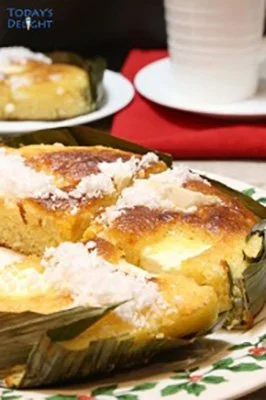
Bibingka (Source: Pinterest)
Bibingka is prepared in clay pots lined with banana leaves over charcoal, with a layer of hot coals on top for a distinctive smoky flavor—an invitation to try it. The unique taste comes from the interplay of sweetness, the creaminess of the coconut milk and cheese, and the subtle saltiness of the eggs.
Other places have their own interesting versions. Bibingkang monggo from Malolos, Bulacan, replaces rice with mung beans, while bibingkang nasi (rice) from Pampanga requires cooking in a molding pan.
Pateros and Pasig are known for their “stinky” bibingkang abnoy, made of rotten duck eggs with black pepper and dipped in vinegar—a challenge for the adventurous gourmand. Binakayan, Cavite, has an interesting take: their bibingkang balinghoy (cassava) is strewn with nata de coco (coconut jelly), kaong (sugar palm fruit), and langka (jackfruit). It’s something that can’t be missed.
Palitaw is another age-old Filipino sweet rice delicacy—glutinous rice flour mixed with water to form a dough that is shaped into flat, oval patties. These patties are boiled in water until they float to the surface—hence the name “palitaw,” from the Tagalog litaw, meaning “to float” or “to surface”—coated in a mixture of grated coconut and sugar, and topped with toasted sesame seeds for added texture and flavor. The result is a chewy, mildly sweet snack with a soft interior, faintly crisp from the coconut coating. Palitaw embodies the essence of Filipino comfort food in every soft, chewy bite.
Biko is glutinous rice blended with melted brown sugar that gives it a caramel-brown color. It has a chewy consistency with a mild sweetness, made tastier by different garnishes: coconut caramel, grated cheese, toasted coconut flakes, toasted coconut milk curds, or salted egg slices. A sticky rice lover says: “Biko is my favorite—it’s super simple and comforting: sweet, sticky, coconutty goodness.”
Biko Tapol, also known as biko Bisaya, is the Visayan version. It combines glutinous white rice they call “pilit” and black or purple sticky rice “tapol,” simmered in coconut cream, coconut milk, and brown sugar. The result is a dark, purplish rice cake that may not look very attractive but tastes really good. Interestingly, purple rice is known to support heart health and aid digestion. Health-conscious people choose to eat purple rice rather than white rice for better nutrition.
Quezon province’s version of biko is called Sinukmani; it is topped with ground roasted peanuts. Served with kapeng barako or brewed native coffee, it’s a favorite dessert or mid-afternoon snack in the Southern Luzon region—another irresistible treat. There’s a Sinukmani Festival in Batangas highlighted by a competition for the best-tasting sinukmani.
Again, Chef Tatung chimes in: “Dense and generously sweet, biko is a favorite at large gatherings; it’s indulgent but deeply familiar.”
Ginataang Halo-Halo or ginataan bilo-bilo is named after the marble-sized glutinous rice balls cooked by themselves or mixed with other ingredients like saba banana, kamote (sweet potato), sago pearls, langkâ (ripe jackfruit), and ube(purple yam). They all come together, cooked in thick, sweetened coconut milk.
Ginataan is called sampelot in Pampanga, usually paired with inangit (see biko) for an afternoon merienda. A Kapampangan housewife shares that she always makes this for her husband when she knows he’s had a bad week at work. “Nothing like sampelot to make him smile.”
Up north in Ilocos, it is known as pararusdos. It could have come from the Tagalog word “dausdos,” which means “to slide,” as rice flour is shaped into balls and rolled in dry flour. In Batangas, it is called paridusdos or pinindot.
Binignit in Cebu and Bohol differs by using glutinous rice instead of bilo-bilo as a thickener and introducing landang, palm flour jelly balls, for a unique texture—a must-try.
On the other hand, Pinaltok in Laguna is a simplified delight. It’s all bilo-bilo, sometimes with sago, for a straightforward yet satisfying dessert.
Sapin-Sapin is a vibrant, layered rice cake infused with different flavors, enhancing the rice flour and coconut milk. The name comes from sapin, meaning “layers,” because of its vibrant, multi-colored appearance. It usually comes in two to four colors, each with a different taste and texture. The violet layer is ube, the orange layer has anise seeds, and the white layer is buko or young coconut meat.
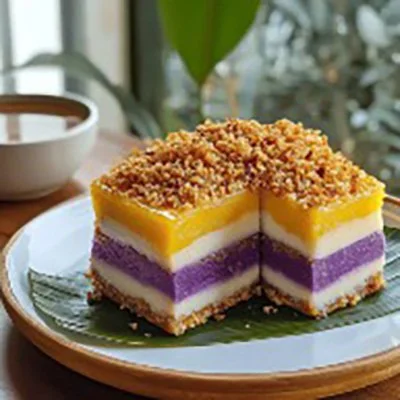
Sapin-Sapin (Source: Pinterest)
Espasol is a soft, chewy rice cake that combines toasted glutinous rice flour with grated young coconut that is slowly cooked in coconut milk. The mixture turns into a soft, pliable dough that is shaped into long cylinders or triangles before each cake is coated in rice flour. It is associated with the Laguna region—a popular snack peddled on buses that travel to Manila.
If these native treats don’t induce cravings or evoke hometown memories, you’re probably only half-Pinoy. It gets more interesting as we move on to the more exotic options.
Tupig, a kakanin from the province of Pangasinan, is made by mixing freshly grated young coconut with ground malagkit rice and a dash of sugar, wrapped in banana leaves, and grilled over hot charcoal. This gives it a slightly burnt flavor that makes it distinct from other kakanin.
Inutak is a tasty delicacy from Pateros and Taguig, named for its gooey, “brain-like” consistency. Made of purple yam sandwiched between layers of bibingka or rice cakes, inutak is best paired with at least two scoops of vanilla ice cream. It comes in other flavors too, like queso de bola, corn, and chocolate. There’s something addictive about the combination of creamy and chewy textures.
Binagol, another kakanin from the coconut-rich province of Samar, is made by mixing taro, coconut milk, and sugar over heat until cooked. Latik is ladled into a shaved coconut shell, then the binagol mixture is stuffed on top. It is a most welcome pasalubong (travel gift).
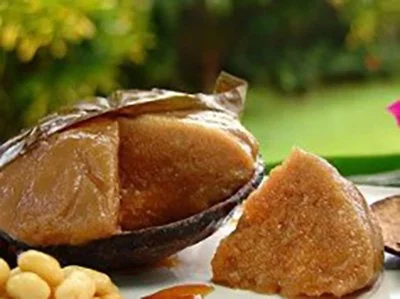
Binagol (Source: Pinterest)
Sayongsong is a delicious Surigaonon delicacy and a point of pride. It is a steamed, sweet rice cake packed in cone-shaped banana leaves (binalusongsong sa dahon) and is a favorite snack or pasalubong—a sweet remembrance of Surigao. It has traveled around the Caraga region, as well as Bohol, the Eastern Visayas, and finally the Bicol region.
Dodol, a traditional delicacy of Filipino Muslims, is made of flavor-rich durian cooked in coconut milk and mixed with brown sugar. Normally wrapped in banana leaves and colorful cellophane, dodol serves as a symbol of royalty among Muslims—an exotic dessert that other Pinoys have learned to enjoy.
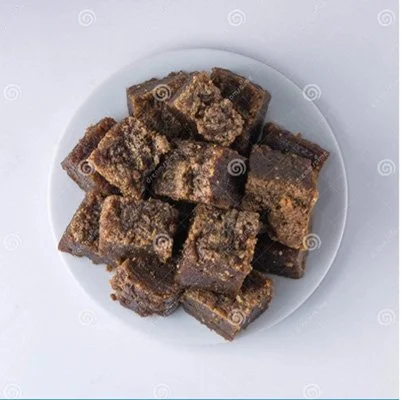
Dodol (Source: Dreamstime)
Tamales: Saving it for last, tamales may be called the queen of Pinoy kakanin. It is made with ground rice cooked in chicken broth and coconut milk, then wrapped in banana leaves. The filling may vary from region to region. The Pampango version, arguably the best, has thin slices of chicken and pork adobo sa atsuete, and wedges of hardboiled egg—simply divine.
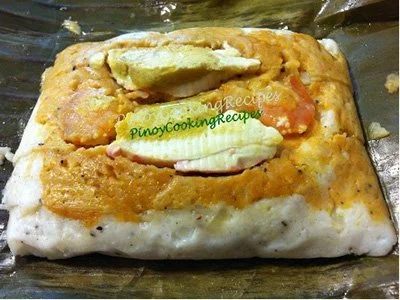
Pampanga Tamales (Source; Pinoy Cooking Recipes/Pinterest)
According to Filipina food historian Felice Prudente Sta. Maria (via Atlas Obscura), it is an ancient Filipino belief that there is a soul in every grain. That belief evolved into a tradition of offering rice cakes to ancestors so that the living may be blessed with good health and prosperity.
There is something to excite your taste buds anywhere you go. If kakanin is so good, imagine how satisfying the main dishes can be!
Kakanin has endured the test of time, sustaining us in times of abundance and scarcity, peace and war. Food author and chef of the famous Bale Dutung, Claude Tayag, says: “Kakanin transcends all the boundaries of our regional cultures, languages, religion, and cuisines. It makes a perfect accompaniment to the sour, salty, and mellifluous dinuguan or blood stew (tidtad in Pampanga), and a wonderful counterpoint to the umami-rich La Paz batchoy of Iloilo City.”
Truly, the Philippines is a foodie haven. There is something to excite your taste buds anywhere you go. If kakanin is so good, imagine how satisfying the main dishes can be!
Manuel Hizon is Manila-based communications specialist
More articles from Manuel Hizon



No comments