
What Osaka, Kyoto, and Tokyo Taught Me
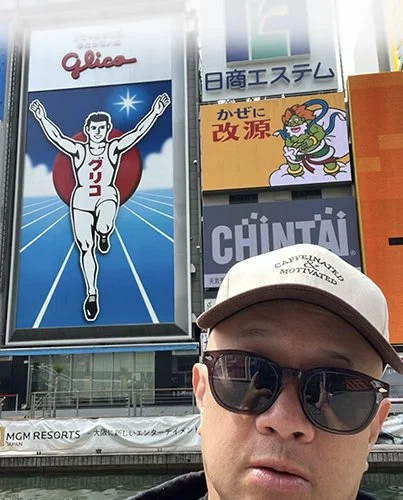
Osaka’s most prominent billboard for a confectionary company is the Glico Running Man located in the famous Dotonburi district. The billboard’s inspiration was Fortunato Catalon, a celebrated Filipino sprinter from Leyte who was a top Asian athlete in the early 1900s.
Osaka was my introduction, and it came with noise, color, and appetite. Dotonbori assaulted the senses in the best possible way—neon lights reflecting on the canal, the smell of frying batter in the air, people laughing loudly without apology. Standing beneath the iconic Glico Man, arms raised eternally in victory, I couldn’t help but smile. I was even surprised to learn that the model for that iconic billboard was Filipino! It felt symbolic: Osaka celebrates effort, not perfection. The sign is commercial, yes, even cheesy—but so is joy sometimes. And Osaka embraces that.
I burned my mouth on takoyaki because waiting wasn’t an option. I devoured okonomiyaki cooked right in front of me, watching the vendor work with practiced ease. Food here wasn’t rushed, yet nothing felt inefficient. Even Osaka Castle, surrounded by modern life, reminded me that history in Japan isn’t sealed behind glass—it simply exists alongside the present.
Kyoto slowed me down. Almost against my will, my pace changed. Walking through Gion, I lowered my voice without realizing it. The streets seemed to demand restraint. At the Shinto shrine Fushimi Inari, passing through thousands of torii gates, I felt oddly emotional. Each gate represented a wish, a prayer, a hope someone cared enough to leave behind. No one pushed. No one hurried. We climbed quietly, sharing space without speaking.
Kyoto’s cleanliness struck me differently. It wasn’t about looking polished—it felt moral. As if caring for surroundings was a form of gratitude to those who came before. Standing before Kinkaku-ji, perfectly reflected on the pond, I understood that beauty here was not accidental. It was maintained, protected, respected.
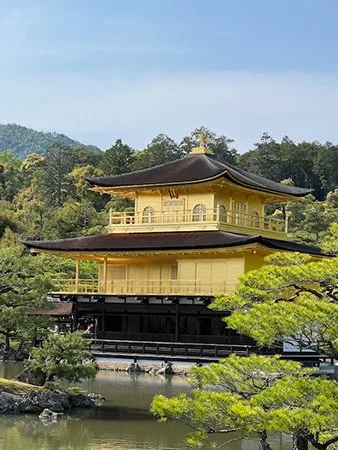
Kinkaku-ji, the Golden Pavilion — Buddhist temple in Kyoto
Tokyo, on the other hand, jolted me awake. It moved fast—but never chaotically. At Shibuya Crossing, hundreds of people surged forward at once, yet no one bumped into me. It felt rehearsed, like a silent agreement among strangers. Trains arrived exactly when promised. Apologies were offered for delays measured in seconds. Discipline here wasn’t cold—it was considerate.
Then there was Takeshita Street in Harajuku, where Tokyo briefly let go of restraint. Loud music, wild fashion, oversized bows, pastel hair—it was sensory overload. And yet, even here, there was order. No shoving. No litter. Just young people expressing themselves boldly within an unspoken framework of respect. It reminded me that conformity and individuality are not opposites in Japan—they coexist.
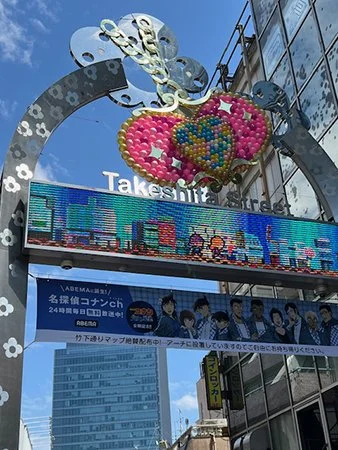
Takeshita Street (Takeshita Dori) in Tokyo's Harajuku district is a vibrant, narrow pedestrian street famous for youth fashion, quirky shops, colorful sweets and anime goods
Tokyo also held onto its soul. At Senso-ji in Asakusa, I joined locals and tourists alike in prayer, waving incense smoke toward my face for luck. Ancient rituals unfolded just steps away from vending machines and souvenir stalls. Somehow, it worked.
And then there were the konbini—7-Eleven, FamilyMart, Lawson. I underestimated them at first. Then I kept going back. Onigiri that tasted freshly made. Bento meals that put fast food elsewhere to shame. Coffee that was consistently good. These stores weren’t just convenient—they were reliable. In Japan, even convenience carries dignity.

Reasonably-prized, ready-to-eat delights from Japanese 7-Eleven
Food across all three cities left a lasting impression. Nothing felt careless. Every bowl of ramen, every yakitori skewer, every packaged meal reflected pride in doing things properly. It made me rethink how often elsewhere we accept “good enough.”
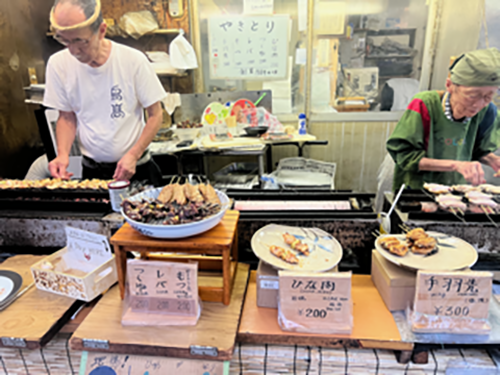
An elderly couple in Tokyo opens their garage door each night to grill and sell yakitori.
By the time I left Japan, I realized what stayed with me wasn’t just the landmarks. It was the way people behaved when no one was looking. The quiet discipline. The shared responsibility. Japan didn’t try to impress me. It simply showed me—calmly, consistently—another way of being. And that stayed with me long after the flight home.
Japan didn’t try to impress me. It simply showed me—calmly, consistently—another way of being.
Many have said that if you want to see the world, don’t start with Japan, because if you do, you’ll find yourself going back again and again. As I will. See you soon, Nagoya, Kobe, Hiroshima! Rene Astudillo is a writer, book author and blogger and has recently retired from more than two decades of nonprofit community work in the Bay Area. He spends his time between California and the Philippines. More articles from Rene Astudillo




No comments