
The Bitter Earth: My Father's Final Story
Salinas Valley Hospital — November 1999.
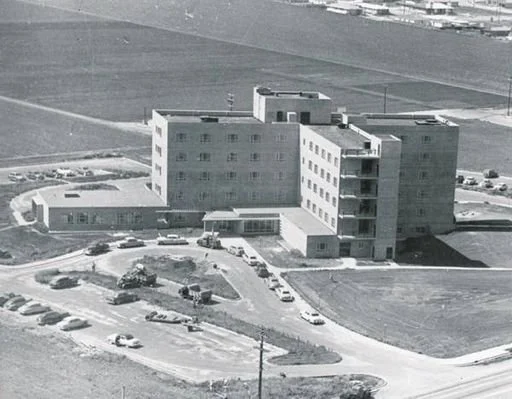
Salinas Valley Health Medical Center
Not from the air conditioning, but from the kind of chill that settles when time is almost up. Outside the window, the November sky hung low and gray over the Salinas Valley. Inside, my father lay in the narrow bed, tubes threading from his arms, his chest rising slowly.
I sat beside him. Holding his hand. Trying to memorize the shape of his voice.
He turned his head slightly—his eyes sunken, but still sharp with something that hadn’t died yet.
"Anak," he rasped. "You still there?"
I nodded, swallowing everything I couldn’t say.
"Good," he said. "Then let me tell you one more thing... before I go."
"There was a man once. Not famous. Not rich. Just a Filipino, like us. They called him Manong Johnny."
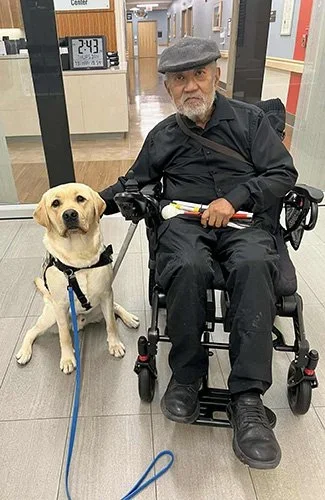
Alex S. Fabros, Jr. today (Photo courtesy of Alex S. Fabros, Jr.)
I leaned in. His voice was thin now, like it hurt to speak.
"He came here long ago. Before the war. Before anything good. Salinas. 1930s. Fields of lettuce and dirt, and no welcome signs. They bent him like they did all of us—but he never broke."
"He walked in the 1934 strike. Lettuce workers—mostly brown—told the white men ‘enough.’ They beat him bloody for it. He got up. Went back to the line."
Dad coughed then. The oxygen mask hissed. He waved it off with one shaky hand.
"That man taught us we were worth something, even when the country said we weren’t."
"He loved someone, too. A dancer. Blonde. Blue eyes. She took his money. Took his heart. But he never hated her for it."
"Years later, when she was dying, she wrote him: ‘Don’t let me go alone.’ He went. No questions."
Dad closed his eyes for a second. When he opened them, they were wet.
"He danced with her one last time. Not for love. Not for sex. Just because it was the right thing to do. Because he wanted her to feel real, one more time."
"He left a ticket on her nightstand. One of those old dancehall slips."
"On the back he wrote:
'You held me like I mattered. So I let you go like you did.'"
Silence fell again. The monitor beeped in a slow rhythm. He gripped my hand, knuckles pale and trembling.
"I tell you this, anak... because we don’t come from power. We come from grit. From picking lettuce in silence. From men who danced even with broken backs."
I never saw a photo of Manong Johnny. Never found his grave. But I carry his story like an heirloom.
"Remember, Manong Johnny. Not because he won. But because he stayed." "Because he held someone in the dark and left no bitterness behind." His voice faltered. "Because if we don’t remember him... no one else ever will." I held his hand until the light outside the window faded to ash. Until the beeping slowed. Until it didn’t. Now I Carry Johnny. I never saw a photo of Manong Johnny. Never found his grave. But I carry his story like an heirloom. Because in that hospital room, with machines hissing like wind through Salinas rows, my father gave me something greater than a name: He gave me a man who bent—but never broke. And a dance that ended with grace. Alex S. Fabros, Jr. is a retired Philippine American Military History professor. More articles from Alex Fabros, Jr.



No comments